

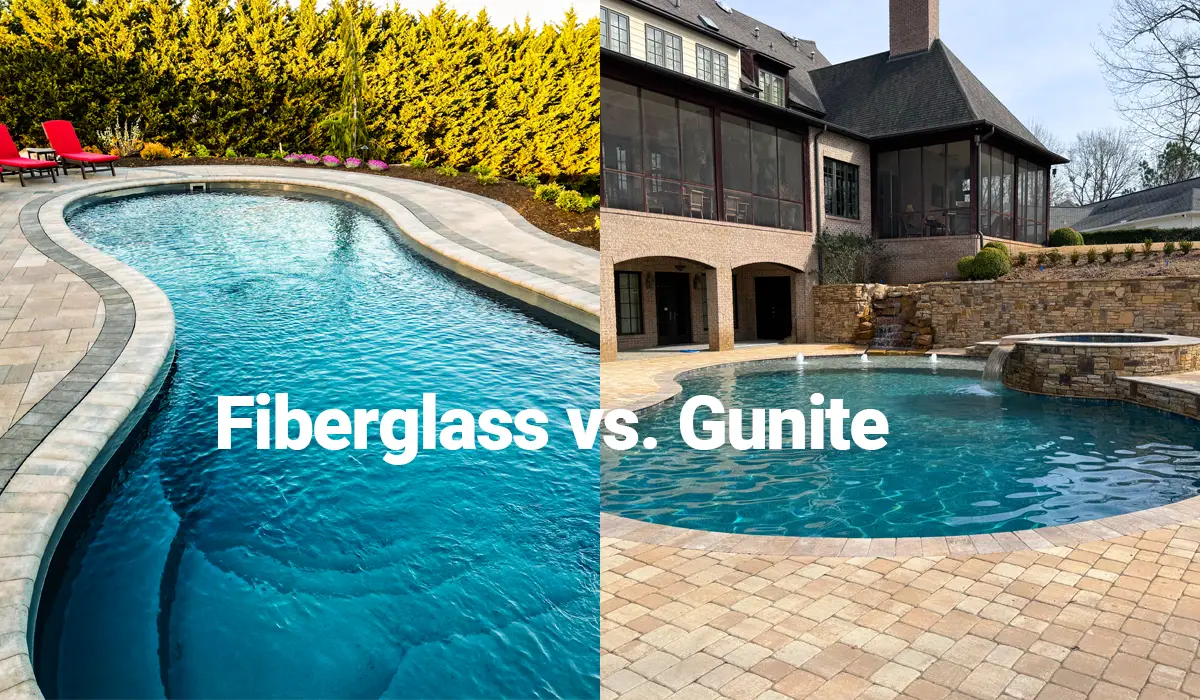
Fiberglass vs Gunite Pool
Introduction: Why Choosing the Right Pool Type is Essential
Imagine this: a sunny afternoon, a cool drink in hand, and the shimmering water of your dream backyard pool inviting you to dive in. But before you can enjoy that perfect oasis, there’s one crucial decision to make—what type of pool is the best fit for your lifestyle, budget, and long-term goals?
Choosing between a fiberglass vs gunite pool is one of the most important decisions for homeowners embarking on their pool ownership journey. Each type offers distinct advantages and considerations, and understanding these differences is key to making an informed choice. In this article, we’ll break down everything you need to know about fiberglass and gunite pools, from installation and maintenance to costs and design possibilities.
If you’re ready to dive into the details, let’s explore which pool type will transform your backyard into the ultimate retreat.
Explore our fiberglass pool designs to get inspired as you read!
What is a Fiberglass Pool?
Fiberglass pools are a modern favorite among homeowners for their simplicity, durability, and low-maintenance appeal. Here’s what you need to know:
- Overview of Features:
- Fiberglass pools are pre-fabricated shells made from reinforced fiberglass material.
- They boast a smooth, non-porous surface that feels comfortable underfoot and resists algae growth.
- Delivered as a single piece, these pools are ready to be installed into an excavated space.
- Construction Process:
- The pool shell is manufactured off-site in a controlled environment, ensuring precision and quality.
- Installation is quick and efficient, typically completed in just 3–5 days.
- On-site customization is minimal, making it an ideal choice for homeowners seeking a streamlined process.
Curious about costs? Request a free estimate to see how a fiberglass pool fits your budget.
What is a Gunite Pool?
Gunite pools have long been a symbol of luxury and customization, offering endless possibilities for unique designs. Let’s dive into the details:
- Overview of Features:
- Gunite pools are constructed on-site using a mixture of sand, cement, and water sprayed over a rebar framework.
- This method allows for highly customizable shapes, sizes, and features, making it a favorite for those seeking a one-of-a-kind pool.
- Construction Process:
- The process involves shaping the pool on-site, spraying the gunite mixture, and allowing it to cure.
- Because of the on-site construction and curing time, installation can take several weeks or even months.
Want to learn more about the material? Check out this Gunite Wikipedia page for an in-depth explanation.
Cost Comparison: Initial Investment, Maintenance, and Long-Term Expenses
When it comes to costs, both fiberglass and gunite pools have their pros and cons. Here’s how they compare:
- Initial Costs:
- Fiberglass pools typically have a higher upfront price due to the pre-fabrication process.
- Gunite pools may appear more affordable initially, but customization and extended installation times can add to the cost.
- Maintenance Costs:
- Fiberglass pools require fewer chemicals and less cleaning, translating to lower ongoing expenses.
- Gunite pools often need resurfacing every 7–15 years and demand more frequent chemical treatments, increasing long-term costs.
- Long-Term Considerations:
- Fiberglass pools are highly durable, reducing costly repairs over their lifespan.
- Gunite pools, while robust, are prone to surface wear and cracking, which can lead to higher maintenance expenses over time.
Maintenance Differences: Cleaning, Chemical Use, and Surface Durability
Maintenance is a key factor when choosing between fiberglass and gunite pools. Here’s what to expect:
- Fiberglass Pools:
- The smooth, non-porous surface resists algae buildup, making cleaning a breeze.
- Fewer chemicals are needed to maintain water balance, saving time and money.
- Gunite Pools:
- The porous surface can harbor algae, requiring more intensive cleaning and scrubbing.
- Chemical treatments are often more frequent to prevent staining and maintain water quality.
Installation Process: Speed and Disruption of Fiberglass vs Gunite Installation
The installation timeline can significantly impact your pool ownership journey. Here’s how the two compare:
- Fiberglass Pools:
- With pre-fabricated shells, installation is quick and efficient, often completed in 3–5 days.
- Minimal disruption to your yard and daily routine makes it a convenient option.
- Gunite Pools:
- The on-site construction process is more time-intensive, often taking weeks or months.
- Additional curing time and extensive landscaping work can prolong the project.
Durability and Longevity: How Each Pool Type Holds Up Over Time
Durability is a crucial factor for homeowners looking for a long-lasting investment. Here’s how fiberglass and gunite pools compare:
- Fiberglass Pools:
- Resistant to cracking and surface degradation, fiberglass pools can last 25+ years with minimal maintenance.
- Their non-porous surface ensures long-term reliability.
- Gunite Pools:
- While highly durable, gunite pools are prone to cracking over time due to soil movement and weather conditions.
- Resurfacing is typically required every 7–15 years to maintain their appearance and functionality.
Design and Customization: Comparing Options for Shapes, Sizes, and Finishes
Your pool’s design is a reflection of your personal style. Here’s how each type stacks up in terms of customization:
- Fiberglass Pools:
- Limited to pre-fabricated shapes and sizes, which may restrict design flexibility.
- Available in a variety of finishes, offering some room for personalization.
- Gunite Pools:
- Fully customizable, allowing for intricate shapes, sizes, and features like waterfalls, spas, and unique finishes.
- Ideal for homeowners seeking a bespoke pool design.
Resilience to Algae and Staining: Advantages of Fiberglass’s Smooth Surface
The pool’s surface plays a key role in maintenance and aesthetics. Here’s how they differ:
- Fiberglass Pools:
- The smooth surface resists algae growth and staining, reducing maintenance efforts.
- Non-porous material keeps your pool looking pristine for years.
- Gunite Pools:
- The porous surface can absorb chemicals and debris, leading to staining over time.
- Regular scrubbing and chemical balancing are necessary to maintain its appearance.
Impact on Water Chemistry: How Materials Interact with Pool Chemicals
Water chemistry is easier to manage with some materials than others. Here’s how fiberglass and gunite pools compare:
- Fiberglass Pools:
- The non-porous surface minimizes chemical absorption, reducing the need for frequent adjustments.
- Easier to maintain balanced water chemistry, saving time and resources.
- Gunite Pools:
- The porous material can affect pH levels, requiring more frequent chemical treatments.
- Higher chemical usage over time can lead to increased costs.
Environmental Considerations: Energy Use and Sustainability of Each Pool Type
If sustainability is a priority, here’s what you should know:
- Fiberglass Pools:
- Energy-efficient due to the smooth surface reducing pump strain.
- Lower chemical usage contributes to its eco-friendly profile.
- Gunite Pools:
- Higher energy consumption due to increased cleaning and pump demands.
- Requires more water and chemicals over its lifespan, impacting sustainability.
Conclusion: Factors to Consider When Choosing the Best Pool Type
When deciding between a fiberglass vs gunite pool, it all comes down to your priorities.
- Fiberglass Pools: Perfect for homeowners seeking a low-maintenance, durable, and eco-friendly option.
- Gunite Pools: Ideal for those who value design flexibility and crave a fully customized backyard masterpiece.
Ready to take the next step? Explore our pool designs for inspiration or request a free estimate to start planning your dream pool today. Ultimately, the choice depends on your vision, budget, and long-term goals. Whichever you choose, your backyard oasis awaits!


